Contact: Thonnia Lee, Office of Strategic Communications
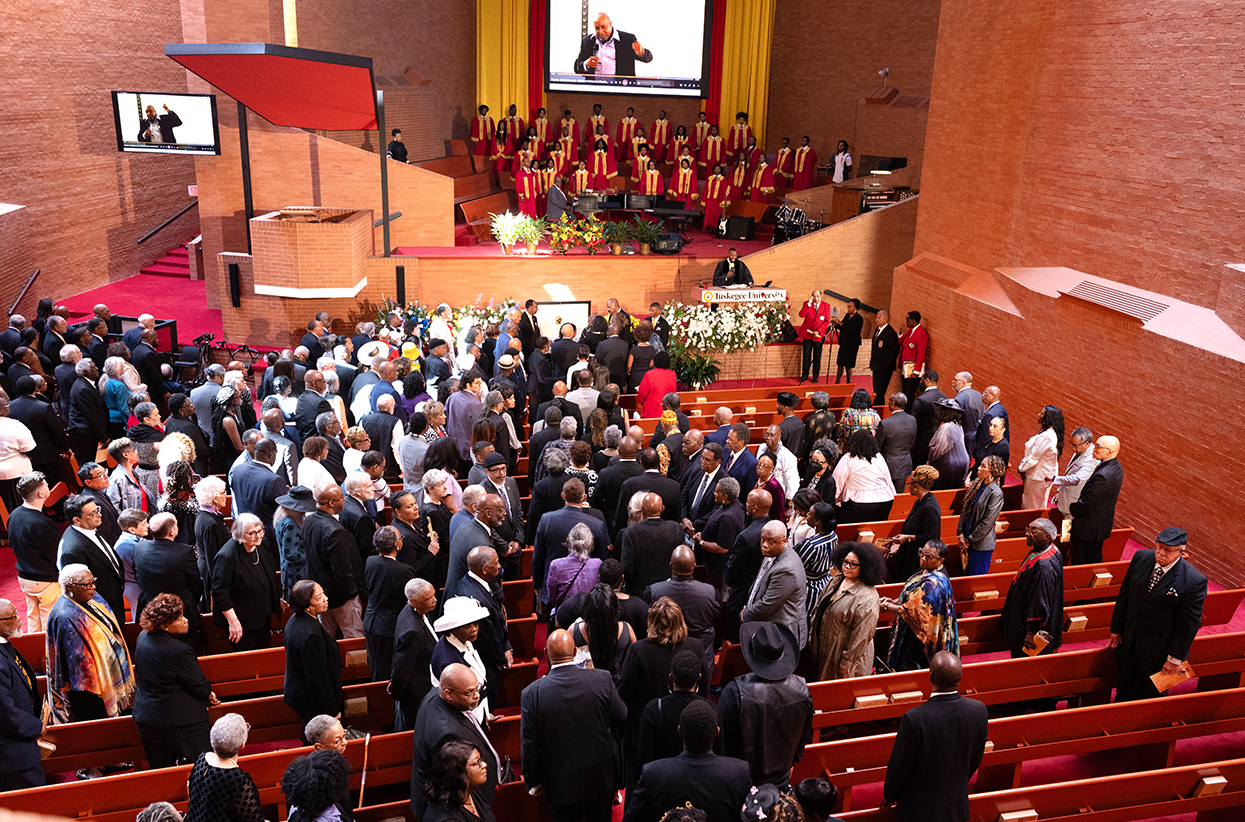
As the celebration of life for the Rev. Dr. Bernard LaFayette closed and attendees linked arms and swayed from side to side to sing We Shall Overcome, that one moment captured all that his family, friends and colleagues had just said about him. He united people with purpose and action to improve the condition of others.
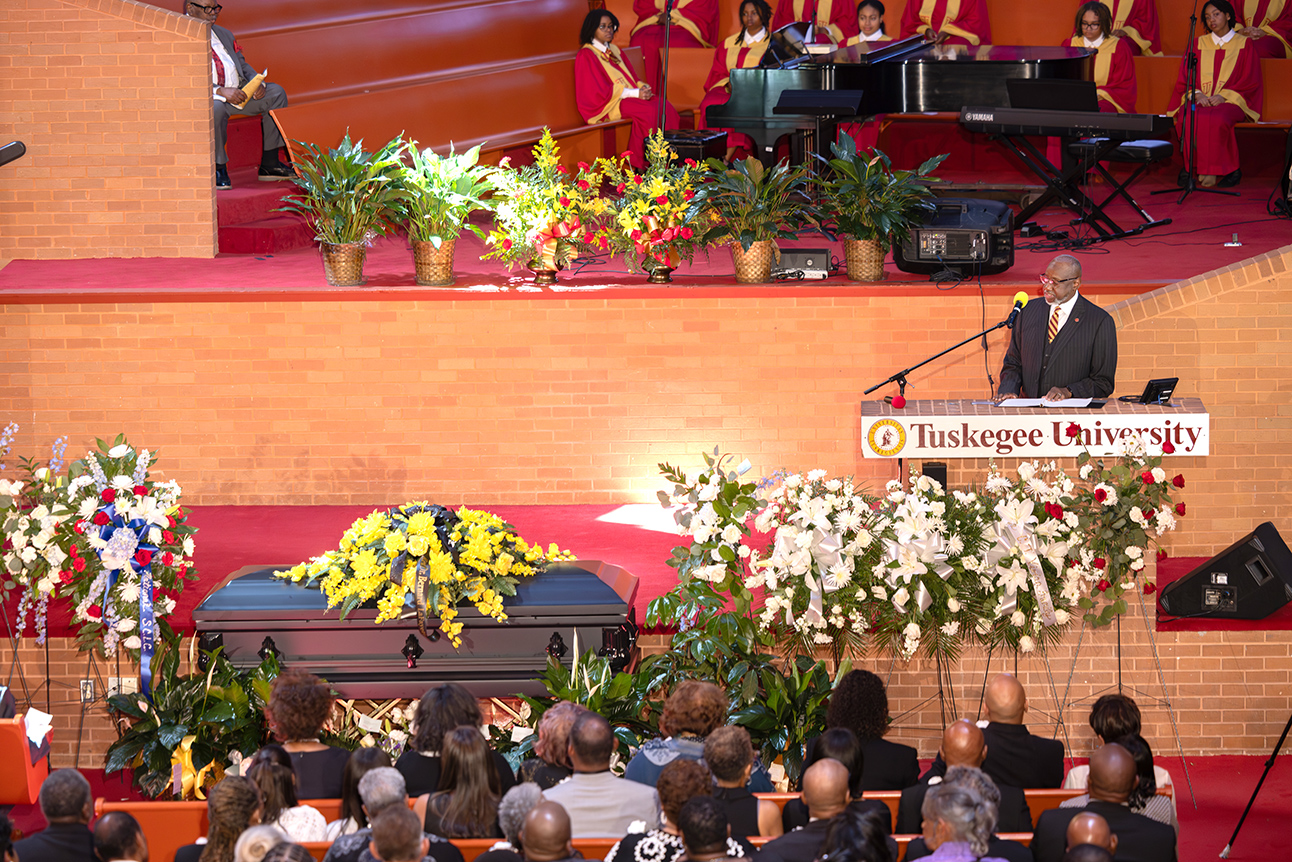
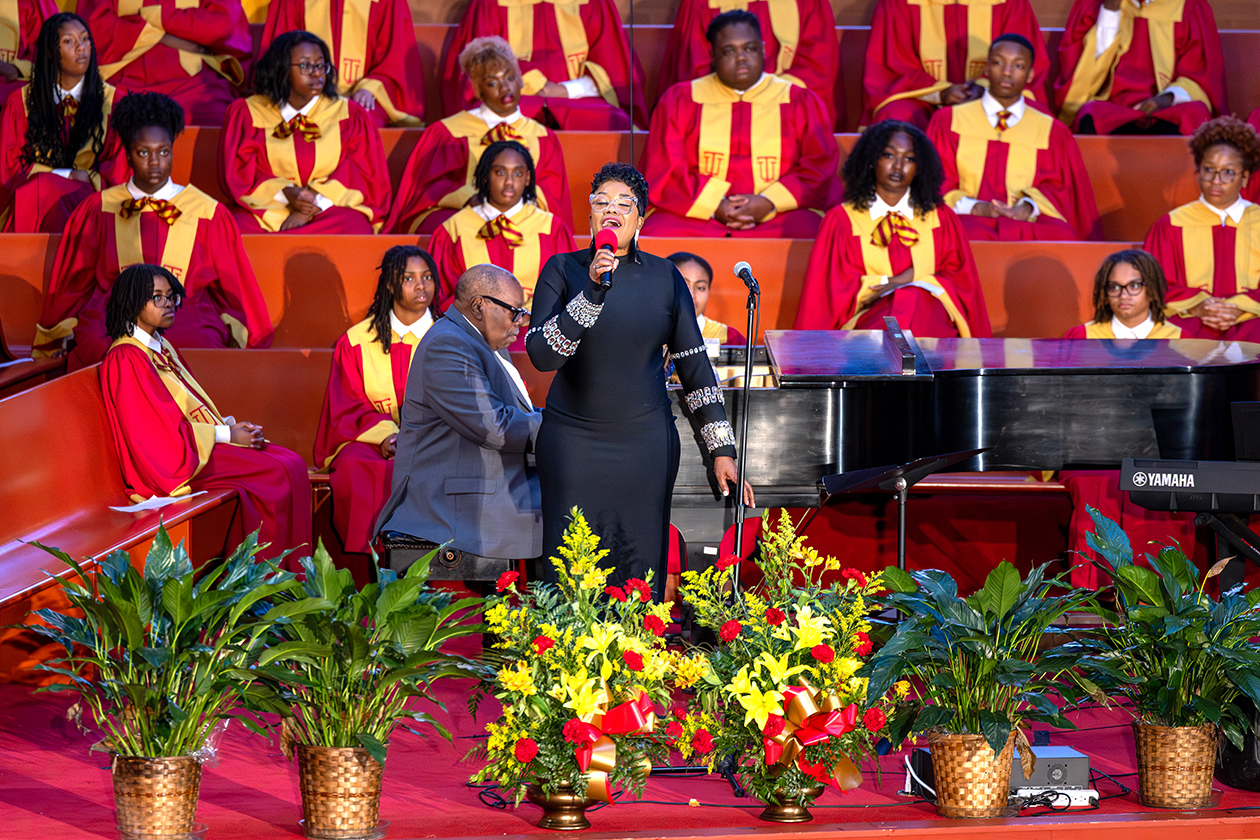
His push to influence through nonviolent social change, civil rights advocacy, voter rights movements and educate the world on the principles used to found the Martin Luther King Jr. Center for Nonviolent Social Change was repeated with passion and humor during his funeral at the Tuskegee University Chapel on Sunday with a backdrop that focused on songs of freedom.
Hundreds filled the chapel, including Ambassador Andrew Young, whose legacy in civil rights as an advisor to Dr. King is well known. Martin King III and his sister Rev. Bernice King both spoke of Dr. LaFayette fondly as they grew up watching him lead the Southern Christian Leadership Conference (SCLC) and then worked with him at the King Center.
Some in the crowd, who move a little slower and are a bit grayer, spent time on Freedom Rides, endured lunch counter protests and jail. Dr. LaFayette was arrested 27 times and survived an assassination attempt. Some in attendance wore denim overalls and red shirts in tribute to the movement and his life.
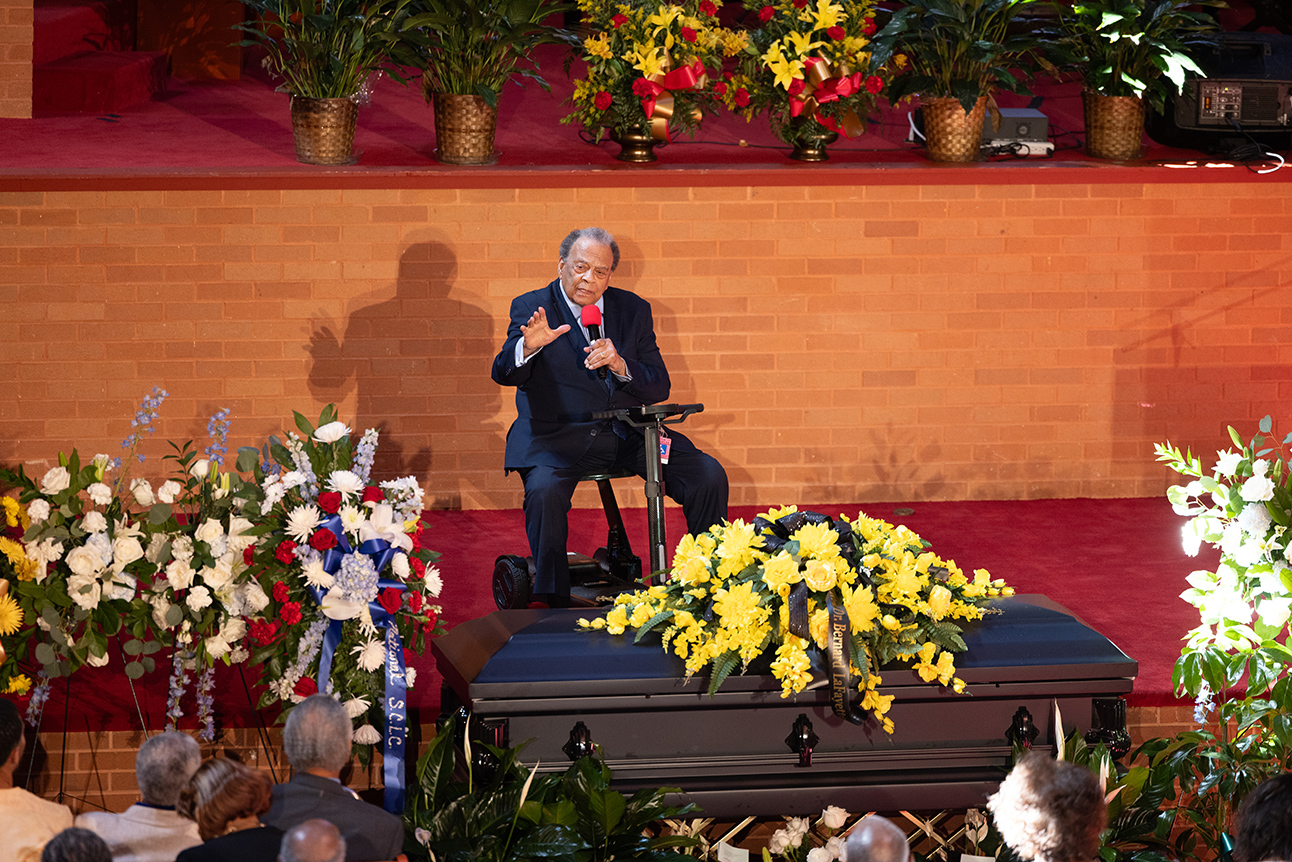
“He walked shoulder to shoulder with those who were students themselves when their moral clarity shaped the movement,” said Dr. Mark A. Brown, President and CEO. “It happened in dorm rooms, in cafeterias in what we say on the yard, in the blueprint of late night. How fitting it is, how beautifully poetic that we return Rev. LaFayette to a campus today.”
“The movement was not an event, it was a calling for him,” said Dr. Brown. “Rev. Lafayette left footsteps large enough for a nation to step into. We unite because he marched. We teach because he taught.”
The tributes to Dr. LaFayette rounded a man of vision who focused on operating in love and educating the next generation in principles of nonviolence. The man who was once a roommate of the late Georgia Congressman John Lewis at American Baptist College in Nashville, Tennessee was always teaching and teaching in all ways said his former barber and dear friend Omar Neal. “If we want to honor Dr. Bernard Lafayette Jr. each of us needs to go to the polls and vote,” he said.
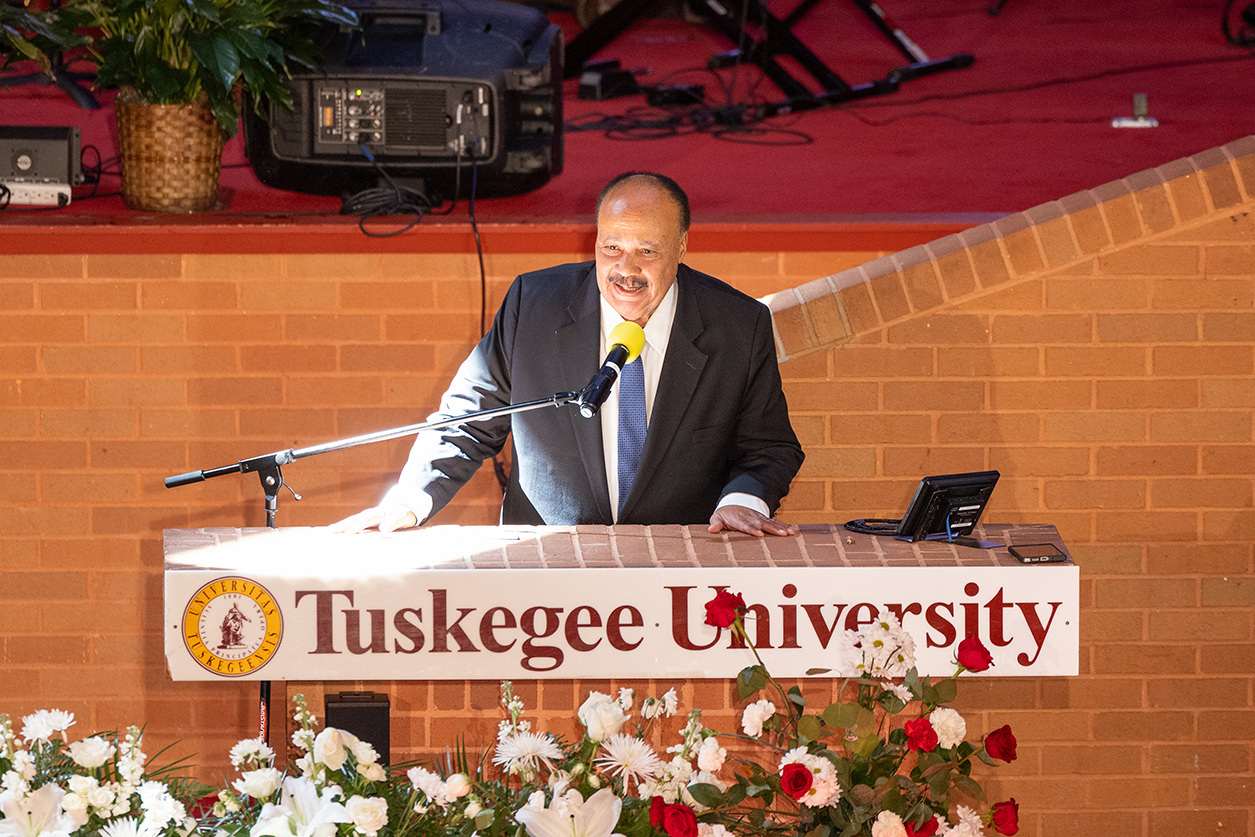
The depth of his work changed lives in this country and abroad. He was known for influencing nonviolence in Nigeria, where 30,000 former war lords put their weapons down. He went to Israel and trained Palestinians.
“Jesse Jackson told me the reason he got in the movement was because of Dr. LaFayette,” said Dr. Charles Steele, president emeritus of the SCLC. “Dr. LaFayette didn’t want scared folks with him.”
Dr. LaFayette was known for organizing the Selma Voting Rights Movement and the Nashville Student Movement. Present to honor him in the crowd was Tennessee State Representative Justin Jones, who represents Nashville and was reinstated to his position in 2023 after being expelled for leading a gun control protest on the state house floor.
Video tributes included messages from Rev. Al Sharpton, Allen Onyema, CEO of Air Peace in Nigeria and U.S. Rep. Terri Sewell, (D-AL).
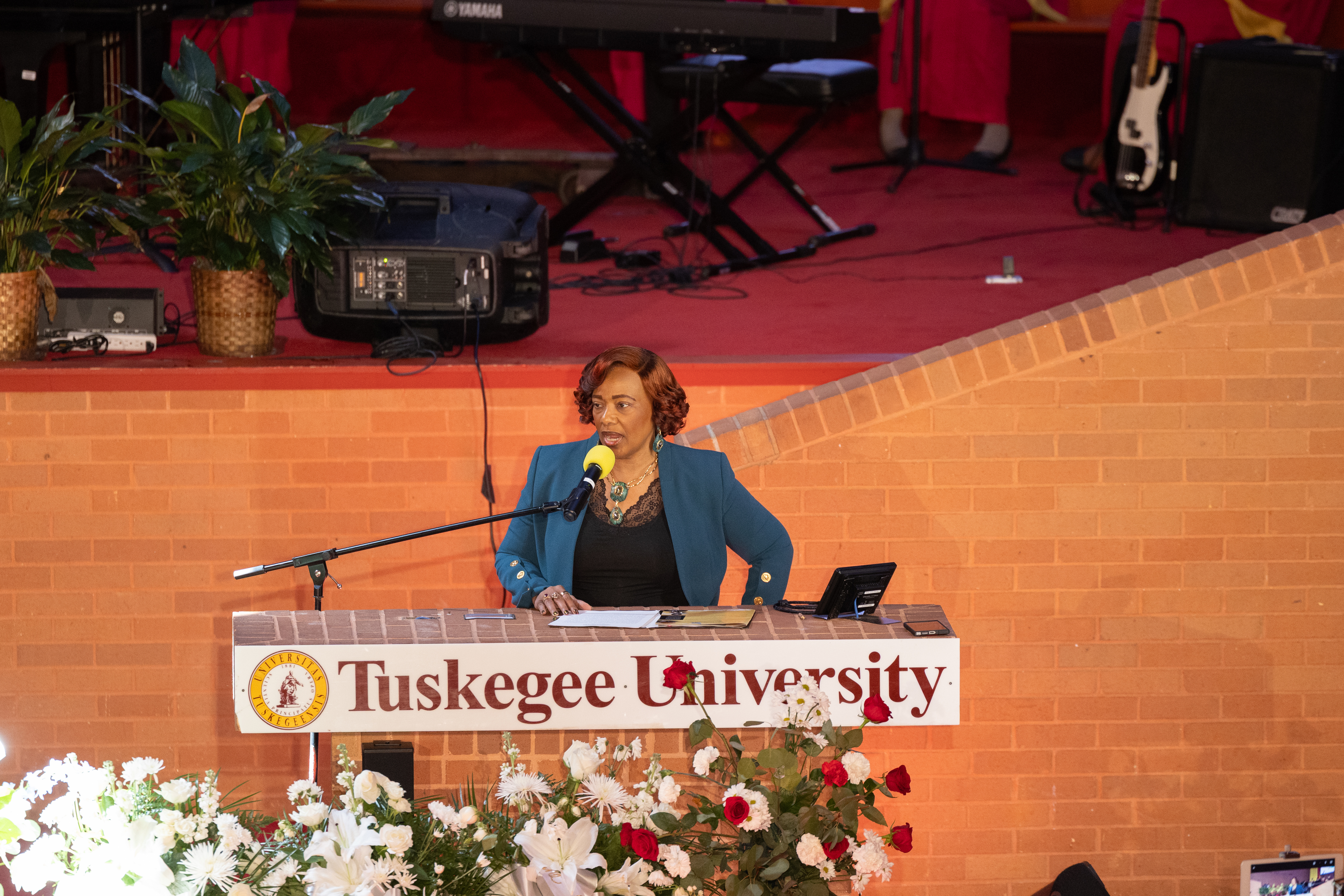
“He was a Freedom Rider and cofounder of the Student Nonviolent Coordinating Committee, trusted lieutenant of Dr. King,” Sewell said from the House floor. “Through his ministry and teaching new generations, he believed deeply in what he called the Beloved Community and worked every day to make that possible. I get to walk the hall of Congress as Alabama’s first Black woman Congressman because of Bernard LaFayette.”
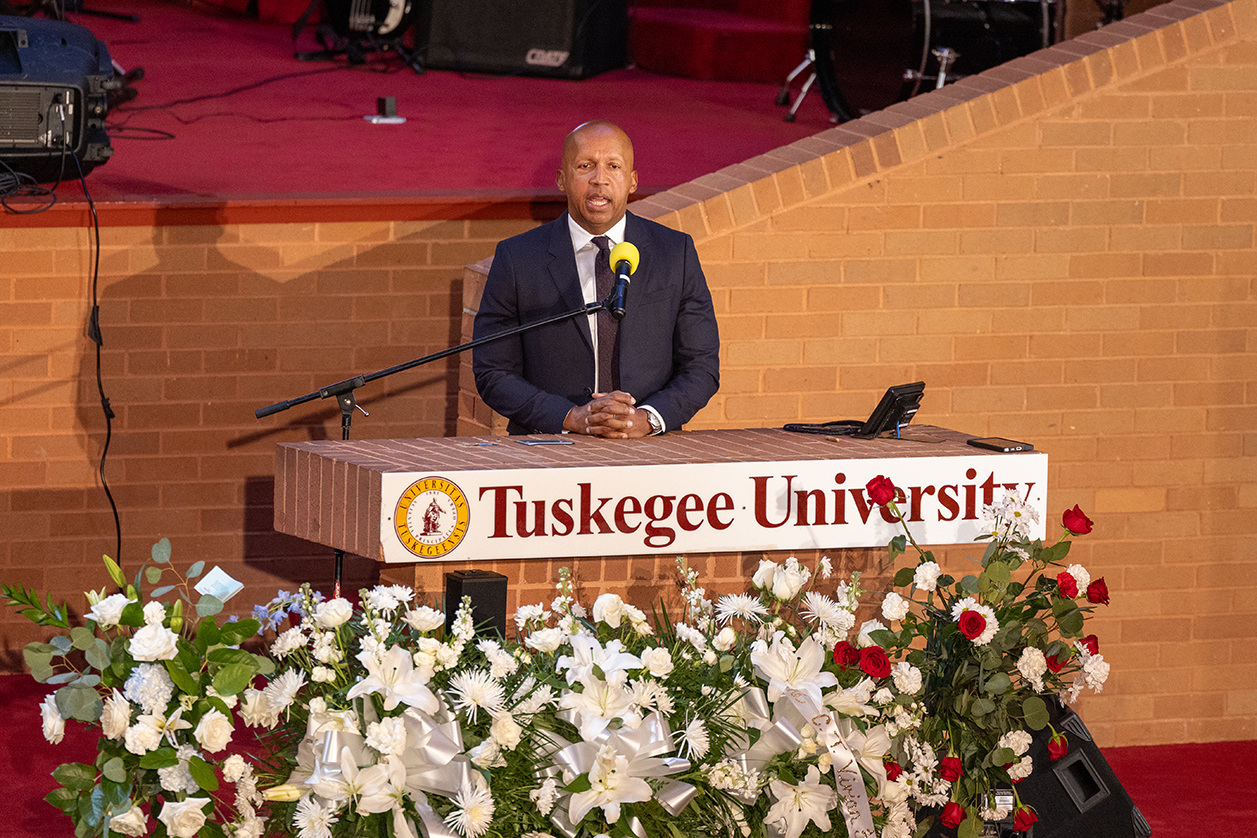
He was called a liberator by Bryan Stevenson, Executive Director of the Equal Justice Initiative in Montgomery.
“He and his foot soldiers would get beaten, battered and bloodied and go home and wipe it off and go back out and do it again,” said Stevenson. “If you close your eyes and reflect on his life, he’ll say to us, ‘keep on keeping on.’ ”
© 2026 Tuskegee University