Master of Science in Engineering (MSEng)
Thesis and Non-thesis Options
Chemical Engineering Department
College of Engineering
Tuskegee University
Students with a B.S. degree in Chemical Engineering or a related field are eligible to apply to the M.S. program in the Department of Chemical Engineering at Tuskegee University. The program offers both Chemical Engineering and Interdisciplinary options. The available options are listed below:
1. Master of Science in Engineering (MSEng, thesis option), The MSEng thesis option degree will equip engineering professionals with knowledge of the current and contemporary practice of engineering as well as allowing them to conduct original research. In addition, it will enhance their technical competence in their selected engineering discipline. A comprehensive research thesis in the chosen discipline will include literature searching, experimental design, testing and evaluation, discussion of results, conclusion, and recommendations. The outcome will include a technical publication and a conference presentation. The Thesis option requires 30 Credit Hours, as follows:
a. Core Courses (12 Credit Hours)
b. Concentration courses (12 Credit Hours)
c. Thesis (6 Credit Hours)
2. Master of Science in Engineering (MSEng, Non-Thesis Concentration), The MSEng non-thesis option degree will equip engineering professionals with knowledge of contemporary practice of engineering. In addition, it will enhance their technical competence in their selected engineering discipline. This option requires 30 Credit Hours, as follows:
a. Core Courses (12 Credit Hours)
b. Concentration courses (15 Credit Hours)
c. Special Topics* (3 Credit Hours)
*The special topic course can be taken by students registering for the MSEng thesis option or the MSEng non-thesis degree option. It can cover topics of special interest in the chosen engineering focus area. The course requirements will be agreed upon between the faculty and the student before registering for the course. The course content can be engineering science, engineering analysis, engineering simulation, or engineering design.
3. Master of Science in Engineering (MSEng, Thesis or Non-Thesis - Interdisciplinary). This option is ideal for engineers desiring to broaden their education and knowledge in disciplines different from their undergraduate studies. This option requires 30 Credit Hours, as follows:
a. Core Courses (12 Credit Hours)
b. Concentration courses (9 Credit Hours)
c. Open* courses (6 Credit Hours from one or two disciplines)
d. Special Topics (3 Credit Hours)
*Courses taken from other disciplines.
Most of the courses in the MSEng. Program will be taught in-person. However, online courses approved for the curriculum and taught online by Tuskegee University faculty, or by faculty at another ABET-accredited programs, will be allowed. Students can transfer or take up to 9 credit hours from another institution, subject to the approval of the faculty advisor. The classification of the courses are:
Required Core Courses
1. MATH 0561 - Advanced Math I - 3 cr.
2. MATH 0562 - Advanced Math II - 3 cr.
3. MENG 0540 - Engineering Management - 3 cr.
4. AENG 0531 - Systems Engineering - 3 cr.
Concentration Courses
The courses listed in the concentration classification below are established by the department, and may modified as deemed necessary by the department. Other courses not shown on this list, but listed in the university catalog may also be selected by the student subject to approval by the faculty advisor.
a. Chemical Engineering Option
1. CENG 580 – Advanced Separation Processes – 3 cr.
2. CENG 565 - Advanced Chemical Reaction Engineering- 3 cr.
3. CENG 530 - Advanced Process Dynamics and Control – 3cr.
4. CENG 540 - Advanced Chemical Engineering Transport Phenomena – 3 cr.
5. CENG 550 - Advanced Chemical Engineering Thermodynamics – 3 cr
6. CENG 570 – Advanced Water and Wastewater Treatment – 3 cr.
7. Special topics – 3 cr.
b. Interdisciplinary Option
Six Credit Hours taken from other disciplines.
Course Descriptions
https://catalog.tuskegee.edu/content.php?catoid=15&navoid=849
Admissions and Advisory committee for Chemical Engineering Degree:
1. Admission to the program is determined by the Dean of Graduate Studies and Research based on the recommendation of the faculty of chemical engineering department and is communicated to the candidates by Tuskegee University’s Office of Admissions and Records.
2. After the student is granted admission, he/she meets with the chair of the Chemical Engineering Department for initial guidance.
3. During the first semester of study, the student must form his/her Advisory Committee, which will consist of the major professor/advisor, and a minimum of two other faculty members.
Note: Other policies will be followed as outlined in the graduate student handbook.



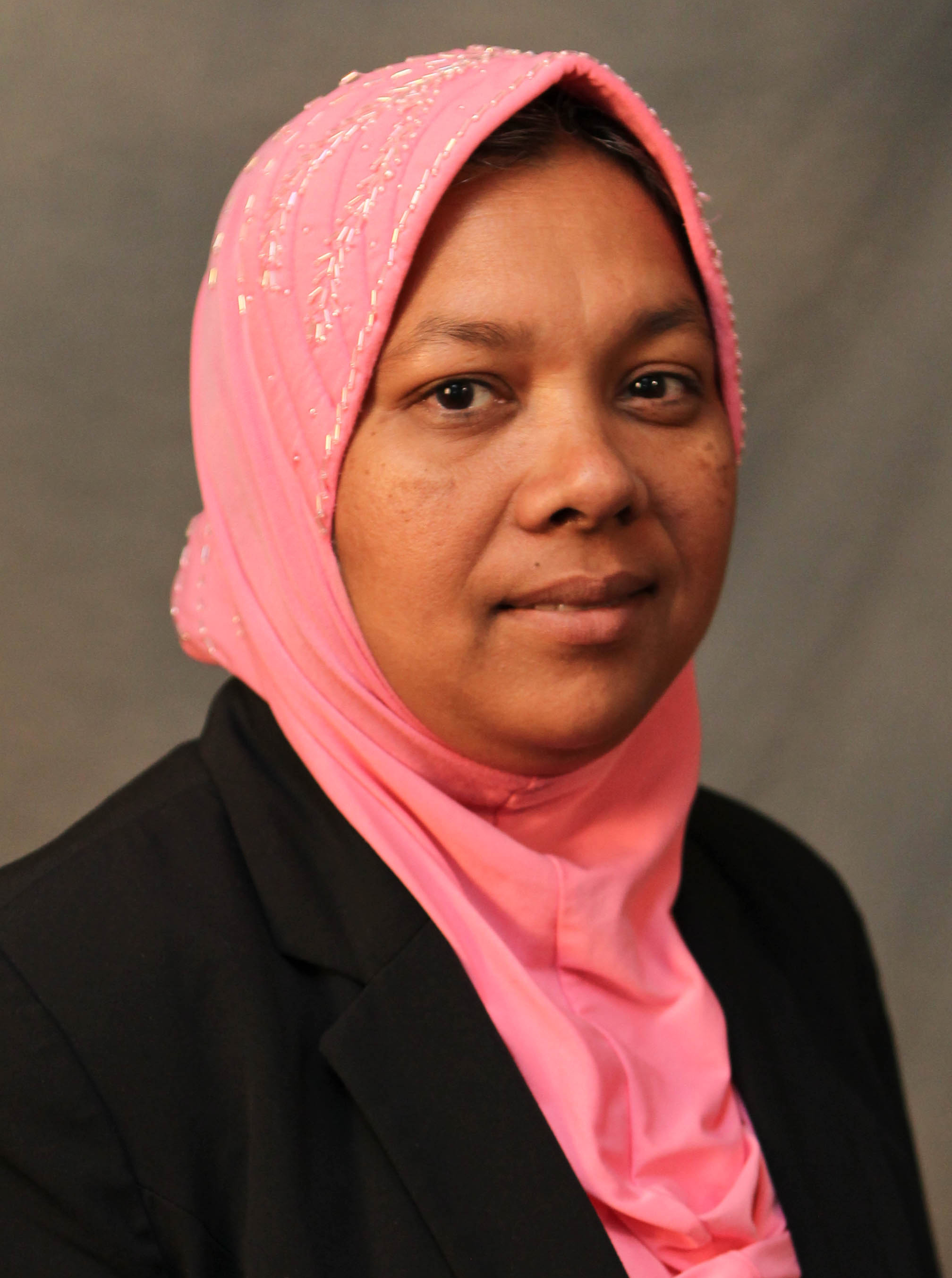 Shamim Ara Begum, Ph.D.
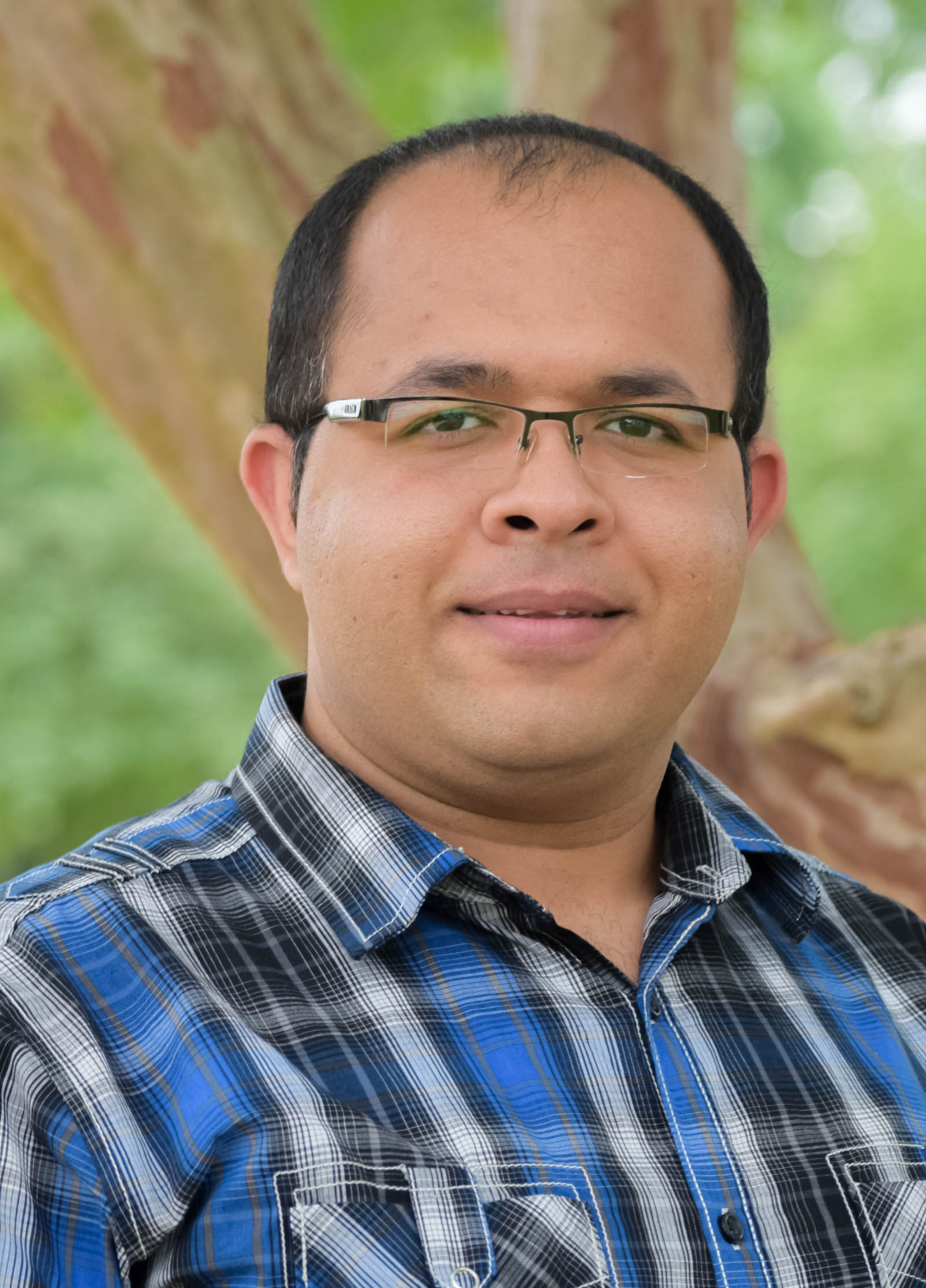 Iman Hassani, Ph.D.
 Shahryar Jafarinejad, Ph.D.
 Kyung C. Kwon, Ph.D.
 Curtis Kelly
 Jean C. Walker